
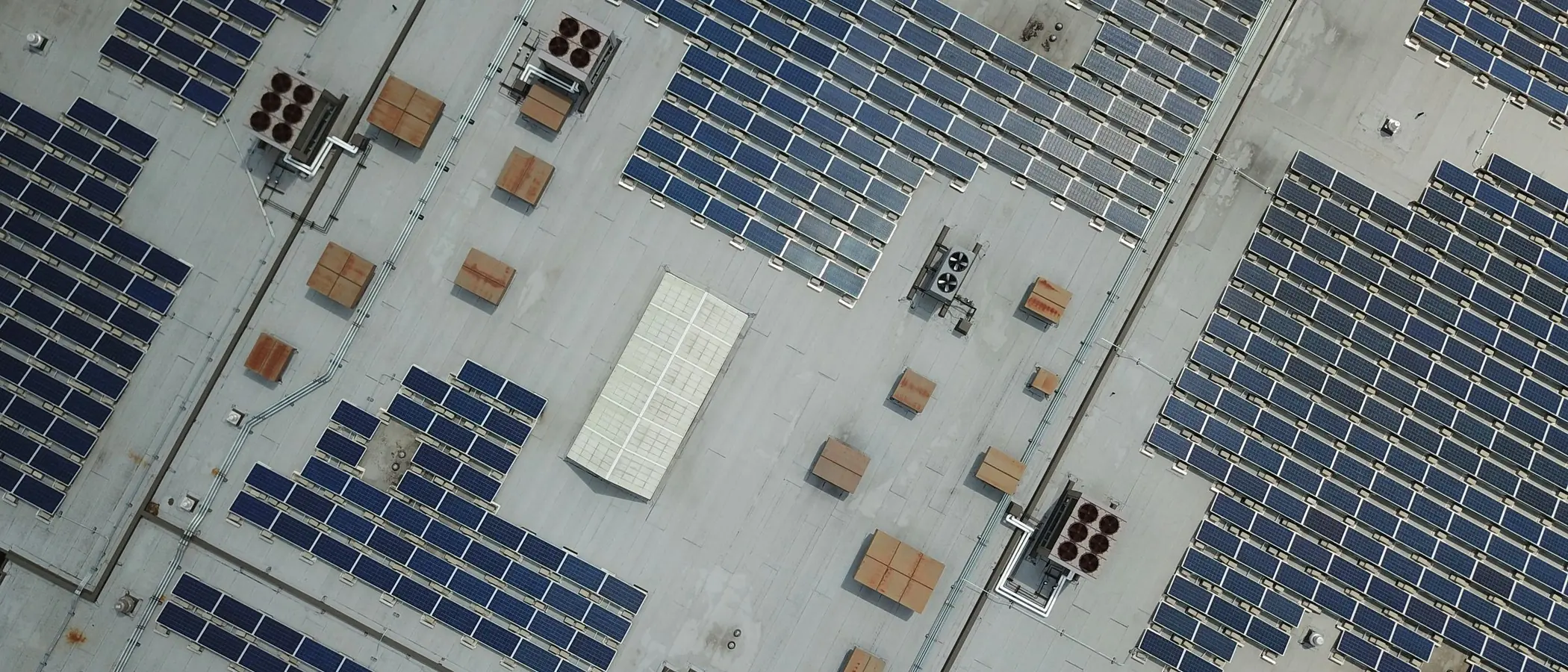
Industry 4.0 is characterized by the integration of digital technologies such as the Internet of Things, Artificial Intelligence, Big Data and Cloud Computing, which make it possible to optimize production processes and manage resources more efficiently.
In this post, we will explain what energy efficiency is, what its benefits are for Industry 4.0 and how to implement it in your company.
Energy Efficiency: What Is It?
Energy efficiency is the ability to use energy rationally, avoiding waste and maximizing results. This means producing more with less energy, that is, reducing specific energy consumption per unit of product or service.
It can be achieved through technical, operational or behavioral measures aimed at improving the performance of the equipment, systems and processes that consume energy.
As an objective, energy efficiency seeks to carry out the same processes using fewer resources and optimizing the use of energy sources to reduce costs and contribute to the environment.
Current Landscape: Energy and Sustainability
According to the International Energy Agency (IEA), energy efficiency actions accelerated globally in 2022. This happened because governments and consumers are increasingly turning to efficiency measures as part of their responses to fuel supply disruptions and record energy prices.
Global energy intensity fell by about 2% last year compared to 2021, an improvement rate nearly four times higher than in the previous two years and almost double the rate of the past five years, according to the IEA.
One of the main reasons behind this growing adoption of energy efficiency is that companies have realized they can save money by reducing energy consumption.
After all, outdated and inefficient machinery consumes more energy and generates higher operating costs. Therefore, investing in more efficient, up-to-date technologies can result in substantial resource savings.
Challenges and Barriers to More Sustainable Production
Industry, as one of the sectors that consumes the most energy and generates greenhouse gas emissions, has a fundamental role to play in the pursuit of more sustainable production that minimizes negative impacts and maximizes social and economic benefits.
However, the transition to a more sustainable industry is neither simple nor easy. There are several challenges and barriers that make it harder to adopt more sustainable practices, technologies and business models. Among them, we can mention:
- Lack of financial and regulatory incentives that encourage innovation and investment in sustainability
- Cultural and organizational resistance to change, which can create conflicts between stakeholders’ different interests and values
- Scarcity of information, knowledge and training on the best practices and solutions available for sustainability
- Difficulty measuring and communicating the benefits of sustainability, in environmental as well as economic and social terms
- Complexity and uncertainty of future scenarios, which require a strategic vision and a capacity for continuous adaptation.
Faced with these challenges and barriers, industry needs to mobilize and engage in a sustainable transformation that involves not only improving production processes, but also reviewing products, services, value chains and business models.
The importance of adopting efficient energy strategies in Industry
Industry plays a fundamental role in the world economy, driving growth and job creation. However, one of the main concerns related to industry is its excessive energy consumption and its negative impact on the environment.
For this reason, adopting efficient energy strategies in industry is essential to reduce operating costs, increase competitiveness, improve the quality of products and services and contribute to preserving the environment. Some of the efficient energy strategies in industry are:
- Use renewable energy sources, such as solar, wind and biomass; – Implement cogeneration systems, which use the heat generated by electricity production for other purposes
- Optimize production processes, eliminating waste and improving equipment performance
- Invest in automation, control and monitoring technologies for energy consumption
- Train employees for a culture of energy efficiency
- Carry out periodic energy audits to identify improvement opportunities.
These strategies can bring several benefits to industry, such as lower energy spending, higher productivity and quality, a better company image among customers, suppliers, partners and society, who value sustainable practices, and reduced greenhouse gas emissions, which contribute to global warming and climate change.
Adopting efficient energy strategies in industry is therefore a matter of social, environmental and economic responsibility, which can generate competitive advantages and ensure the sector’s sustainability.
Fortunately, in recent years we have seen a significant increase in interest in, and implementation of, energy efficiency measures in industry. This shift in mindset is crucial not only to reduce companies’ operating costs, but also to mitigate the effects of climate change.
Positive Consequences for Operations and the Environment
Energy efficiency brings several benefits to Industry 4.0 in terms of operations and environmental preservation, such as:
- Cost reduction. Energy is one of industry’s main inputs and accounts for a significant share of operating costs. By reducing energy consumption, the company can save financial resources and invest in other strategic areas.
- Increased competitiveness. Energy efficiency can improve the quality and productivity of products and services, increasing customer satisfaction and market share. In addition, energy efficiency can be a competitive differentiator against competitors that do not adopt this practice.
- Contribution to environmental sustainability. Energy efficiency can reduce greenhouse gas emissions and other pollutants associated with energy generation and use, contributing to climate change mitigation and the preservation of natural resources.
Practical Examples and Success Stories Across Segments
Enacom has a strong commitment to ESG, aligning key points in the environment, social responsibility and corporate conduct.
We are committed to reducing CO2 emissions in the Energy, Steel, Logistics and Healthcare segments through advanced technologies applied to improving solutions, always aiming for the best performance and energy efficiency.
One example is the use of Digital Twin in our solutions to reduce the environmental impacts of your industry. With this technology, it is possible to create a fast, real-time simulation of your company, eliminating the need for physical prototypes and thus making it possible to test countless improvement solutions.
With more than 600 tons of carbon offset through ZeroCarbon, we connect companies to projects responsible for reducing greenhouse gas (GHG) emissions.
Technology as an Ally in Implementing Energy Efficiency
Energy efficiency improves the use of energy sources, reduces costs and helps preserve the environment without decreasing the amount of electricity produced. In this process, there are several ways to apply technology to optimize energy consumption in industry, such as:
Equipment upgrades/retrofits: modernize to save
New technologies and the digitalization of processes facilitate the rational use of energy and utilities in industry, through integrated monitoring and management tools.
In addition, more modern equipment tends to be more efficient and consume less energy than older equipment.
Use of energy-efficient materials and products: build to save
In the construction sector, for example, the use of materials that reduce energy consumption is growing, whether through the structure or the choice of more efficient equipment.
And in the automotive industry, a growing trend has been the manufacture of cars that consume less fuel with the same performance, as is the case with hybrid or fully electric cars.
Adoption of renewable energy sources: generate to save
Renewable energy sources, such as solar, wind and biomass, are sustainable alternatives for generating electricity, since they use inexhaustible natural resources and do not emit pollutants.
In addition, they can reduce industries’ dependence on conventional power grids and provide greater autonomy and energy security.
Therefore, technology is a great ally in implementing energy efficiency in industry, as it offers innovative and sustainable solutions to optimize energy consumption and reduce environmental impacts.
Energy efficiency is a challenge, but also an opportunity for industries to become more competitive and responsible in today’s landscape.
Software and Tools That Boost Energy Savings
- Variable frequency drives. These are devices that make it possible to control the speed and torque of electric motors by adjusting the frequency of the alternating current that powers them. This technology can reduce energy consumption in applications such as fans and pumps, which do not need to operate at constant speed.
- Technology in the field. There are digital solutions that can increase the productivity, quality and profitability of agricultural production, in addition to reducing waste and the use of inputs. Some examples of technology in the field are management software, sensors, drones, GPS and artificial intelligence.
- Savings in energy generation. Digital Twin applied in the hydropower industry is able to identify bottlenecks in operations in order to map and eliminate the plant’s energy waste, valuing energy generation without waste. Using Big Data, Artificial Intelligence and Machine Learning, this technology combines functionalities to ensure, among several objectives, a company’s energy efficiency.
Development and Research for Energy Innovation
At Enacom, our team of specialists frequently develops studies that demonstrate our expertise across several segments.
Given that the increased variability and intensity of rainfall is causing changes in the hydrological cycle that can affect the availability and temporal distribution of river flow, a study by Enacom researchers, submitted to the 30th Production Engineering Symposium (SIMPEP), proposes a methodology to measure the impact of climate change on hydropower assets.
The Journey to a Sustainable Future: How to Start
Concern for sustainability has become increasingly present in society, and it is no different for companies, especially in industry.
Starting the journey toward a sustainable future in this sector is extremely important, since industry is a major consumer of natural resources and a generator of environmental impacts.
To start this journey, it is necessary to develop some strategic practices that are aligned with sustainability. Check them out:
Step by step: how to implement energy efficiency
- Environmental diagnosis. Identify the main points that need to be improved. It could be excessive water consumption, waste generation or the emission of polluting gases. This diagnosis will be the basis for the actions to be implemented.
- Employee awareness. It is necessary to develop training and capacity-building programs on sustainability in order to engage employees in the proposed actions. By understanding the importance of these practices, employees will become agents of transformation within the company, contributing to building a sustainable future.
- Establish partnerships with suppliers. It is essential to ally your company with suppliers that share the same sustainable values and practices. By choosing suppliers committed to sustainability, industry will be contributing to creating a more sustainable production chain as a whole.
Monitoring and Maintaining Energy Practices
- Constant process monitoring. It is essential to track water, energy and raw material consumption, for example. This analysis provides greater control of operations and makes it possible to identify opportunities for improvement and for reducing environmental impact.
- Maintaining strategic practices. This is essential to ensure the expected results. It is necessary to establish environmental performance targets and indicators in order to give the company clear direction. These targets must be tracked regularly, evaluating the progress achieved and making adjustments when necessary.
Start the Sustainable Journey in Your Company
Starting the journey toward a sustainable future in industry may seem challenging at first, but it is an urgent need and also an opportunity to stand out in the market and improve the company’s image with consumers.
With the monitoring and maintenance of strategic practices, it is possible to minimize environmental impacts and build a more sustainable future for everyone. Count on the support of qualified professionals who specialize in the subject. Contact Enacom’s specialists and learn how to implement energy efficiency in your company.