
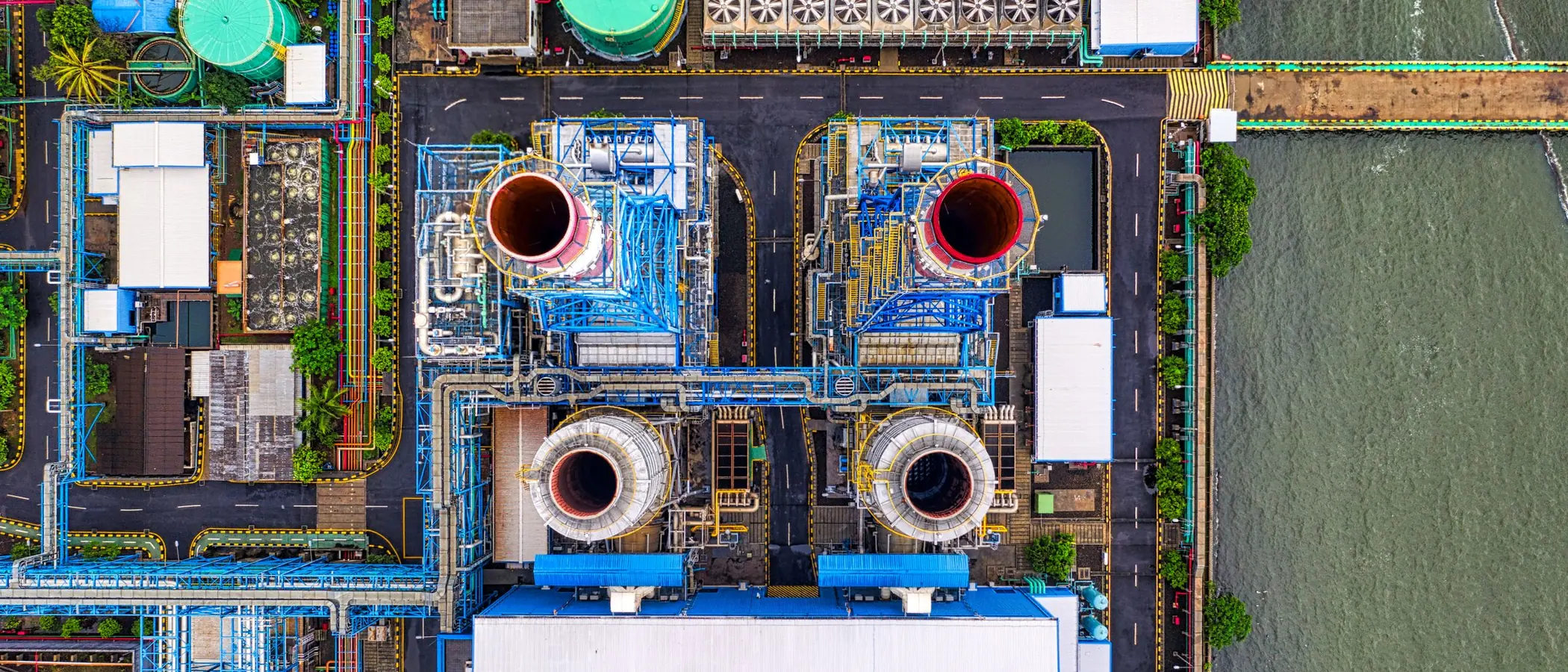
In this way, a twin can be used in many sectors, such as Engineering, Industry, Logistics, Healthcare and the Steel Industry, among others. Keep reading and check out possible applications of Digital Twins in Industry 4.0.
Digital Twin in industry: main applications
The Digital Twin can be used to evaluate production configurations and processes, identifying points for improvement and suggesting changes that can increase the efficiency and productivity of the industrial production line.
It can also be used to create virtual simulations of industrial processes and finished products, making it possible to test different scenarios and identify potential problems before actual production begins.
Based on real-time monitoring of production data and machine behavior, the Digital Twin can also be used to predict the need for preventive maintenance, avoiding unexpected stoppages and reducing costs.
In addition, by collecting and integrating data from different sources in industry, the Digital Twin can provide detailed analyses and reports to support strategic decision-making, enabling process optimization and increasing the company's competitiveness.
Digital Twin in healthcare: main benefits
The Digital Twin can help in healthcare in several ways, such as simulating complex surgical procedures before they are performed on real patients, even serving as a training tool for medical students.
Real-Time Patient Data
But beyond that, the twin can analyze patient data in real time to help doctors gain a more complete understanding of the patient's health, leading to more accurate diagnoses and personalized treatments.
Remote Patient Health Monitoring
The twin can also be used to monitor patients' health remotely. Sensors can collect vital data, such as heart rate and blood pressure, which is transmitted to the Digital Twin, allowing doctors to monitor patients in real time and make well-informed decisions about treatments.
Risk Reduction and Development of New Drugs
By using the Digital Twin in healthcare, researchers can also simulate the effect of a medication on specific organs or systems before conducting clinical trials in humans. This can speed up the development of new medications and reduce the risks associated with clinical trials in real patients.
Digital Twin in the logistics sector
The Digital Twin applied to the logistics sector can plan routes using real-time traffic data aiming for greater efficiency in time, cost and fuel consumption, for example, as well as optimizing warehousing by identifying bottlenecks and proposing improvements.
Future Demand Forecasting
Based on historical and real-time data, the twin can forecast future demand for products, so companies can adjust their inventory levels and schedule their logistics operations accordingly.
Real-Time Location of Logistics Assets
The twin can also track in real time the location and status of vehicles, containers, equipment and other logistics assets, allowing companies to optimize the use of these assets and make decisions based on accurate, up-to-date data.
Optimizing Material Flow
It is also able to simulate different warehouse layouts, identify bottlenecks, and propose improvements, such as reorganizing the storage space, optimizing material flow and reducing waiting time.
Better Decision-Making
In addition, the technology can be used to simulate different scenarios, such as introducing a new product, expanding into a new region, or changing distribution policies, allowing companies to assess potential impacts before making real decisions and to implement changes more effectively.
Digital Twin in the energy sector: benefits and applications
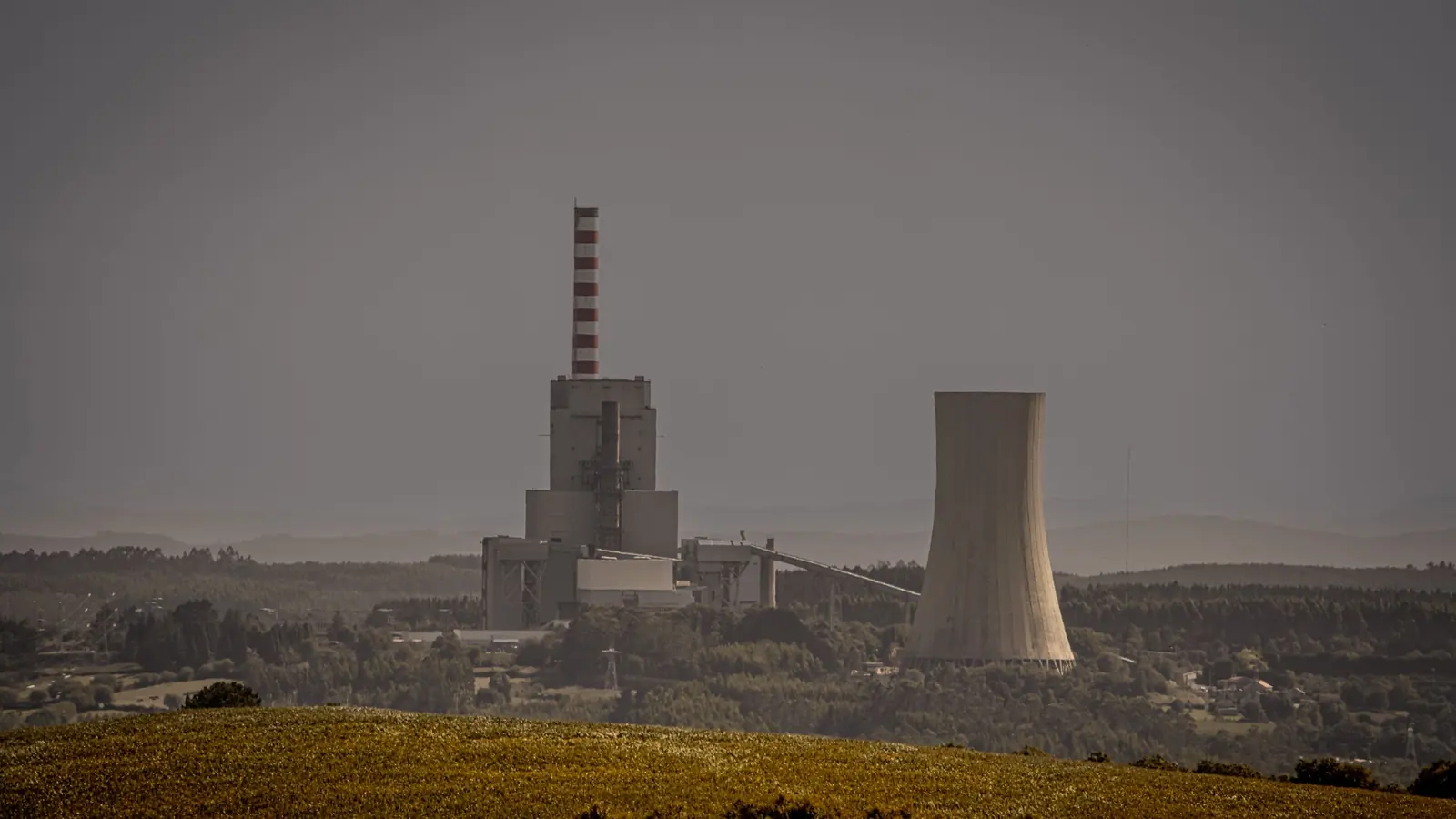
In the energy sector, the Digital Twin can simulate different energy usage and generation scenarios, making it possible to identify the best strategies for allocating and optimizing energy resources, as well as to train power plant operators, allowing them to simulate different situations and sharpen their decision-making skills in virtual environments, with no risk to the real operation.
Asset Monitoring
By creating a virtual replica of a power plant, for example, it is possible to monitor the performance of machines and equipment in real time, identifying possible failures and scheduling preventive maintenance before real problems even occur.
Consumption Optimization
Likewise, the Digital Twin can be used to simulate and test different techniques and technologies focused on energy efficiency, making it possible to analyze the impacts of potential improvements and energy-saving solutions.
Simulations and Tests for Better Supply and Demand
With the growing adoption of renewable energy, the twin can also help integrate these sources into the existing energy system. It makes it possible to simulate and test the impact of adding renewable sources, such as solar and wind power, to the power distribution grid, ensuring a balance between supply and demand.
Applying the Digital Twin
Implementing a Digital Twin is not a process that can be completed overnight. Therefore, before incorporating a twin into your company, you need to address the following challenges: Monitor and massively digitalize industry processes that require a rigorous integration architecture and industrial automation; Multiply the capacity of current data storage, management and analysis systems to handle the volume required by Digital Twins; Make the leap from digital representations to managing multiple simultaneous digital copies with a greater ability to evaluate alternative scenarios; The Digital Twin is a worldwide technology trend that has been growing rapidly in recent years, and Enacom is no different. Would you like to apply this tool in your company? Talk to our team. We can help you!
See it in practice: Torpedo cars planned 48 hours ahead and replanned in under a second.