
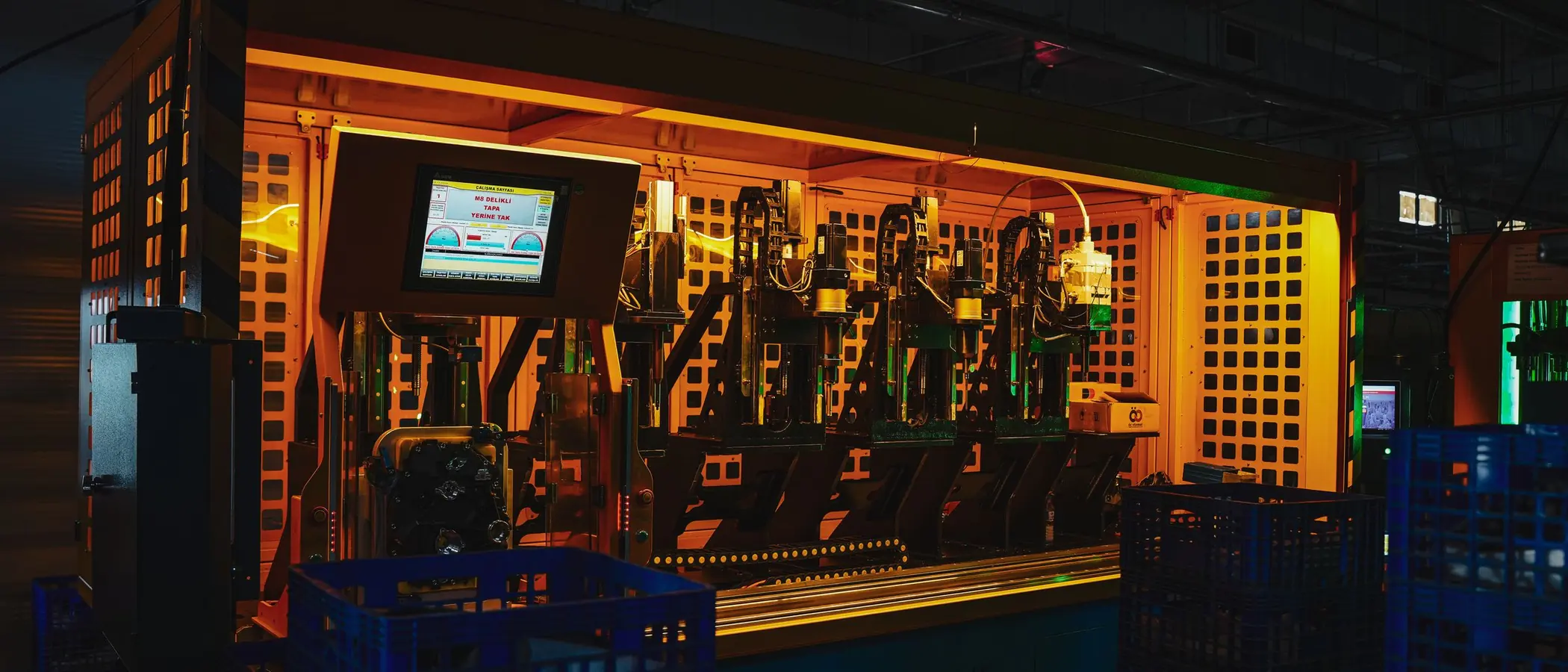
With the rapid rise of Industry 4.0, some aspects of science fiction are becoming reality. One example is companies like Enacom that adopt artificial intelligence to improve production efficiency or to create more personalized solutions and services aligned with their customers’ needs.
But how does AI in Industry 4.0 compare with the AI seen in science fiction? Keep reading to learn more.
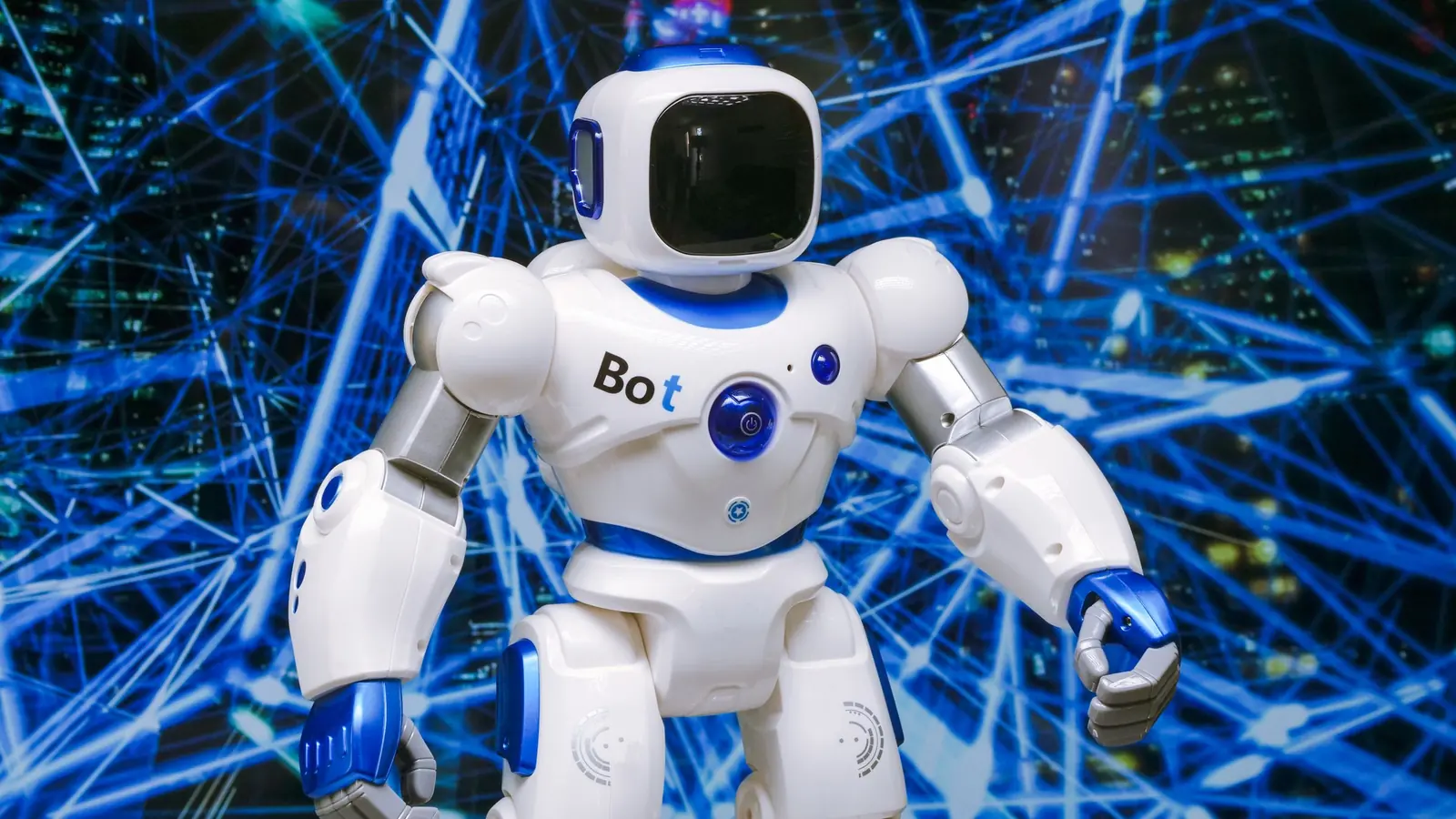
In many cases, the AI systems used in Industry 4.0 are focused on specific tasks, such as predictive maintenance of machines or supply chain optimization, for example, which makes today’s industry much less sophisticated than the one we see in science fiction.
Even so, Industry 4.0 and science fiction have many similarities in terms of advanced technologies, automation and artificial intelligence. Both explore the idea of machines working autonomously and in a connected way, while also aiming to improve efficiency, productivity and product quality.
But while science fiction offers a futuristic vision that is often super advanced and unrealistic, Industry 4.0 is already a reality and is constantly evolving, transforming industry.
This does not necessarily mean a robot uprising, but rather a dynamic in the world of work that allows companies to make more precise, faster, real-time decisions based on large amounts of data. Artificial intelligence here helps automate processes that were previously performed manually, allowing companies to focus on activities that add value to the business.
Science fiction vs. Industry 4.0
While Industry 4.0 seeks to improve manufacturing processes, with cost reduction and increased profitability, science fiction generally has a more emotional bias and focuses on understanding the impacts of future technologies on society and the ethical and moral consequences they may bring.
What happens is that in science fiction, artificial intelligence often stems from pessimistic futuristic theoretical concepts that portray realities completely controlled by robots as a consequence of technological advances.
And although there are several controversies over the uses of AI and little legislation for the intensity and speed with which it is being created, apocalyptic plots in which we are replaced by robots remain just fiction.
However, a world where robots and human beings coexist was already envisioned by the pioneer of science fiction literature, Isaac Asimov. And as a way to prevent possible risks of AI advances for humanity, the writer put the 3 Laws of Robotics in his literature. They are:
1st Law: A robot may not injure a human being or, through inaction, allow a human being to come to harm.
2nd Law: A robot must obey the orders given to it by human beings, except where such orders would conflict with the First Law.
3rd Law: A robot must protect its own existence as long as such protection does not conflict with the First or Second Laws.
The future of artificial intelligence
For now, the reality before us is that AI is a powerful tool that helps people have more autonomy and agility, and helps companies be more efficient, profitable and innovative.
Therefore, recognizing the value of AI in Industry 4.0 is essential for companies to remain competitive in today’s market. And while AI does not yet resemble the AI of science fiction, it is important to remember that it is constantly evolving and there is much to be explored, discussed and applied regarding its uses.