
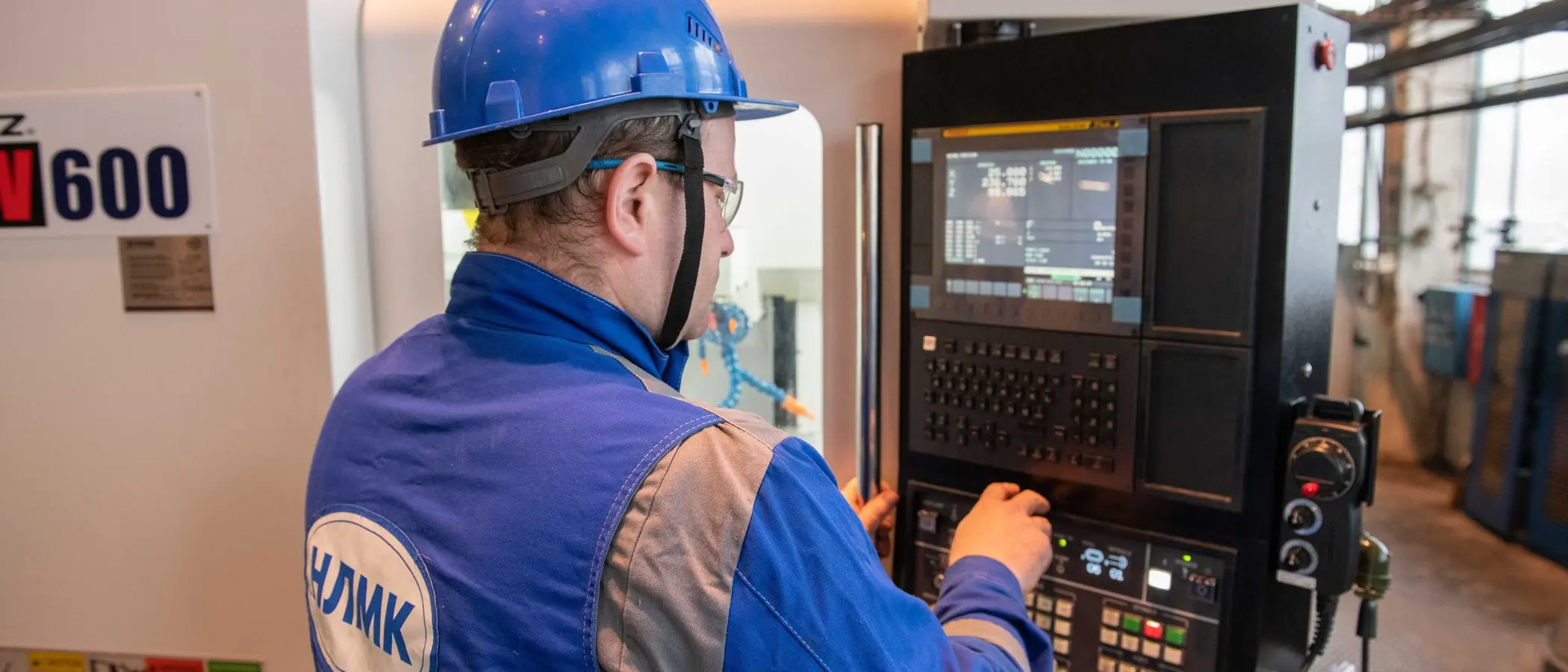
Transformations in the technology job market
In the era of Industry 4.0, upskilling the human workforce has become an ever-greater challenge. With the advance of technology and the automation of industrial processes, new competencies and skills are required for workers to adapt to and keep up with changes in the job market.
One of the main obstacles companies face is the rapid obsolescence of existing skills. With the constant evolution of technologies, many professionals find themselves having to reinvent themselves and acquire new knowledge to remain relevant in the job market. This requires constant investment in training and skills development, which is not always feasible for every organization.
In addition, the shortage of qualified professionals is a reality in many sectors of Industry 4.0. With demand growing for specialists in areas such as data science, artificial intelligence, and robotics, companies struggle to find professionals with the competencies needed to fill these positions.
Upskilling the human workforce
In the face of the difficulties of a constantly digitalizing working world, it is essential that companies invest in training and talent development programs, encouraging continuous learning and constant upskilling of professionals.
It is also important to foster an organizational culture that encourages innovation and adaptation to change, creating an environment conducive to the development of the human workforce in the era of Industry 4.0.
Upskilling the human workforce in the era of Industry 4.0 is a challenge that requires effort and commitment from both companies and professionals. The pursuit of new competencies and skills, combined with a proactive attitude toward change, is essential for workers to remain competitive and keep pace with the accelerated speed of digital transformation in industry.
Enacom as a technology driver
As a leading Digital Twin company in LATAM today, Enacom carries an enormous responsibility for the digital transformation of industry and invests effort to ensure its position in favor of the technological education of society, both inside and outside the company.
Our broad range of specialists actively contributes to the commitment to the new roles that professionals are taking on in industry, and extends their knowledge through initiatives proposed by the company.
Enacom offers a course taught by our CEO that brings the Industry 4.0 concepts most widely used in industry — including in our own solutions — closer to professionals who want to update their understanding of how businesses operate today. “In a structured course, we have the opportunity to work through the topics in a very in-depth yet simplified way, while still using technical concepts, for people who want to understand the possibilities, applications, and impacts of Industry 4.0 technologies,” says Douglas Vieira, CEO of Enacom, who teaches the course “Industry 4.0 and Its Applications.”
Our goal in the technology education journey is to contribute to the digitalization of industry on all fronts, which is why we see human upskilling as essential. “Artificial Intelligence in the transformation of industry is fundamental because it acts as an engine of innovation and efficiency and, in a way, redefines industrial operations. That is why understanding its concepts and applications is essential for industry professionals today,” says Leonardo Tavares, Machine Learning Manager at Enacom, about the course “Applications of Artificial Intelligence in Industry 4.0,” to be launched soon.
Explore our materials
We offer a variety of educational content on Industry 4.0 technologies free of charge, and we are constantly working on ways to help upskill professionals for the technology market. Check out our content and boost your technical capabilities. Get ready for the future of industry!
Glossary | Industry 4.0 Made Simple Glossary, 2nd Ed.
Course | Industry 4.0 and Its Applications with Douglas Vieira, CEO of Enacom and Digital Twin Specialist
Coming soon | Applications of Artificial Intelligence in Industry 4.0, with Leonardo Tavares, PhD and Machine Learning Technical Manager